View All


 View All


 View All


 View All


 View All


 View All


 View All


 View All


 View All


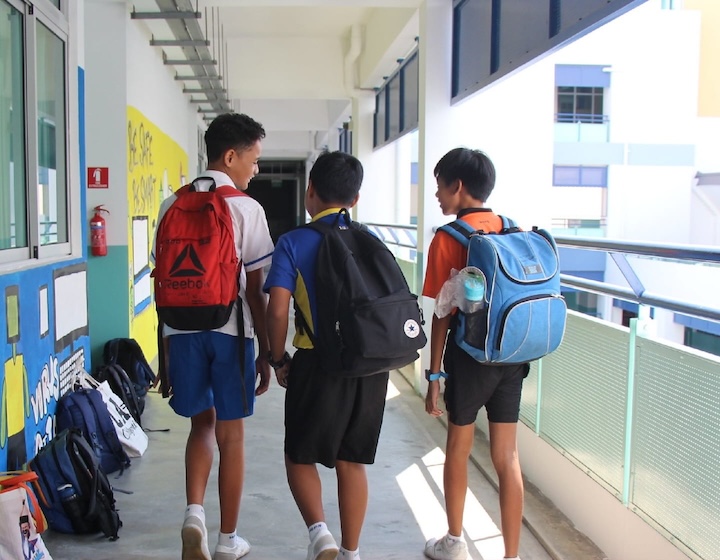
By 2027, all schools in Singapore will have to implement standardised disciplinary measures set by the MOE. Cue the backlash. Does this suggest that we may have become too soft on discipline in schools?
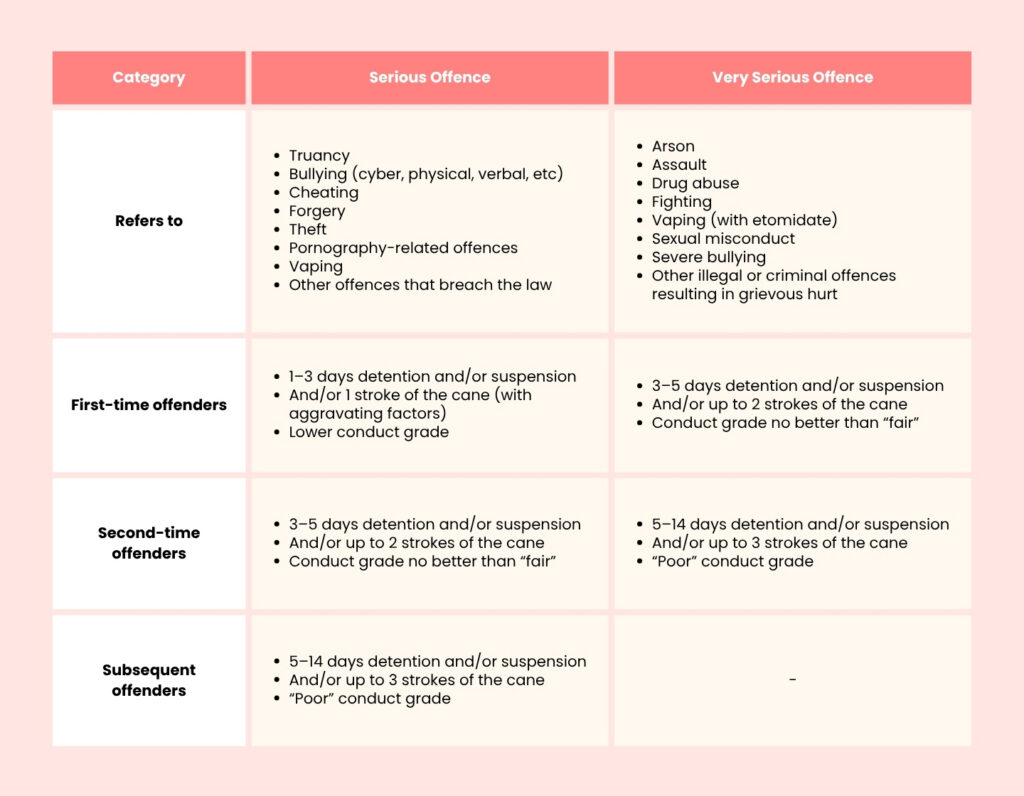
I’m terrified for my kid’s education in Singapore, and I’m not just talking about academics. The recent news about tightened disciplinary measures for bullying has drawn strong backlash from many parents. The government introduced measures such as detention and suspension, conduct grade adjustment and caning. These disciplinary measures will result from a series of offences, and punishment includes up to three days of detention and/or suspension for first-time offenders of serious offences, along with an adjustment of their conduct grade.
Serious offences include bullying, cheating, truancy, vaping, forgery and theft, while very serious offences, which will result in greater disciplinary measures, include drug abuse, assault, sexual misconduct, arson, e-vaping and more. Caning only applies to boys in upper primary and above, starting with 1 stroke for first-time offences and up to 3 strokes for repeat offenders. The extent of the punishment varies between serious and very serious offences, with bullying cases assessed based on factors such as impact, intent and rebelliousness.
Unsurprisingly, many parents are fixated on the caning aspect, saying it’s too harsh. But I found myself on the opposite side of the conversation. As a millennial mum, I strongly support it, and I think we’ve swung too far away from discipline that actually sticks.
Read more: Help! I Think My Kid Is Doing Something Risky or Illegal, What Should I Do?
Could these measures have prevented the severe bullying cases brought to light in the past year?
I actually think these measures came too late. In fact, I think these measures were put in place only after a recent rise in bullying cases, many of which went viral. I’m sure you’ve come across some of them, including one of the Primary 3 kids sending death threats to their classmate. Personally, I couldn’t finish listening to the recordings. I winced, my heart broke and I developed genuine fear for the kids who are currently in school, and for my own child, who is still so far away from primary school, but feels like a dark cloud approaching.
Sometimes these bullying videos keep me awake at night. What was I thinking, bringing a whole new human into this world? What does the future hold for him? Will he be safe? Will he be kind?
It’s one thing to watch your child step into primary school. It’s another to support them through the gruelling Singapore education system. And it’s a whole other thing to pray that they don’t end up being bullied… or worse, become the bully.
Read more: What to Do if Your Kid is Getting Bullied (or Being a Bully)
Parents want action, but there’s pushback when action is taken
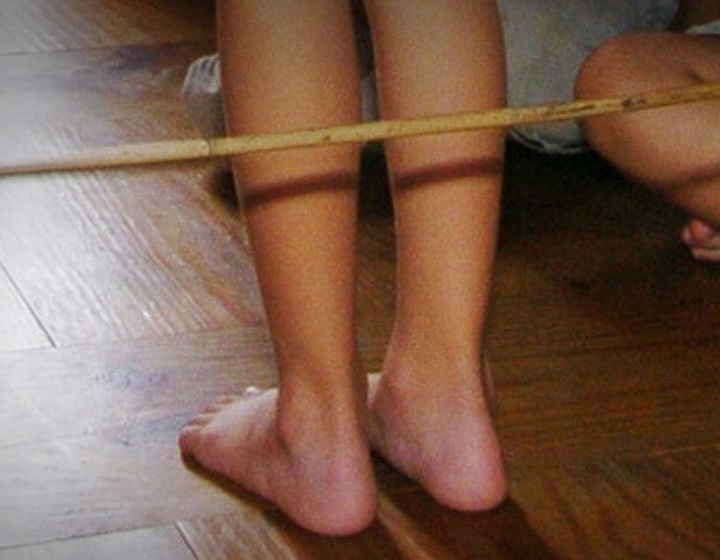
The comments on these videos are always the same: take action against the bully, speak to the parents, maybe expel them. All valid responses, I’d say. So when stronger measures are introduced, I find it strange that there’s such strong pushback. Do we actually want consequences, or only when they don’t harm our own children, even when they might be in the wrong?
Many modern parenting techniques lean into empathy and emotional connection, but if these values aren’t also backed up by clear and consistent boundaries, children may fail to grasp the seriousness of behaviours that cross the line.
For many Singaporean parents, we’re the generation that grew up with caning. We knew exactly what it meant in school. I still remember sitting in assembly when it was announced that a student in our cohort was going to be caned for smoking in uniform. I remember the atmosphere instantly filled with a combination of shock, fear and, most importantly, the awareness that actions had consequences.
Read more: Bullying: The Empathy Connection and the REAL Reasons Why Kids Bully
But, is caning the best punishment?
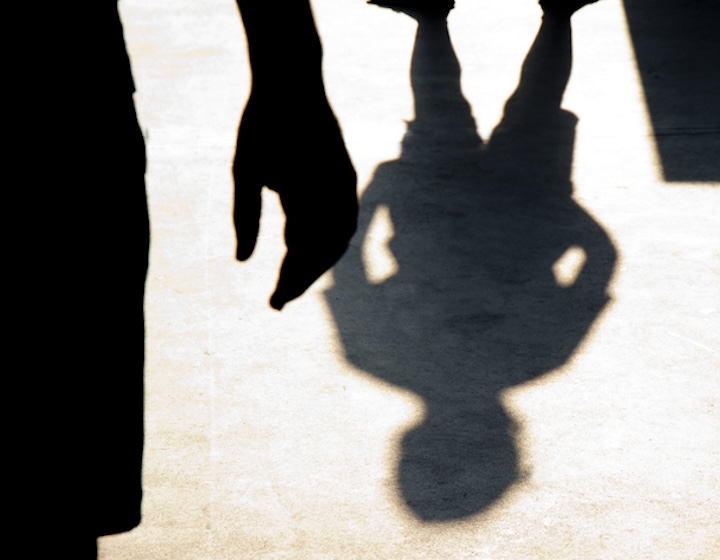
I know the immediate reaction for many people is discomfort with tougher measures, and don’t get me wrong, I’m not supporting fear-based parenting. But I do believe that kids need more clarity about the lines that can’t be crossed, especially when it comes to kindness and respect. I support these measures not because I believe in punishment for its own sake, but because I believe they can promote greater safety for our children as they learn about boundaries.
If we’re serious about stopping bullying, we have to accept that consequences need to mean something, even if they make us uncomfortable. At the end of the day, we’re just asking for our kids to grow up in a system where cruelty isn’t tolerated and actually has a stopping point.