View All

 View All

 View All

 View All

 View All

 View All

 View All

 View All

 View All


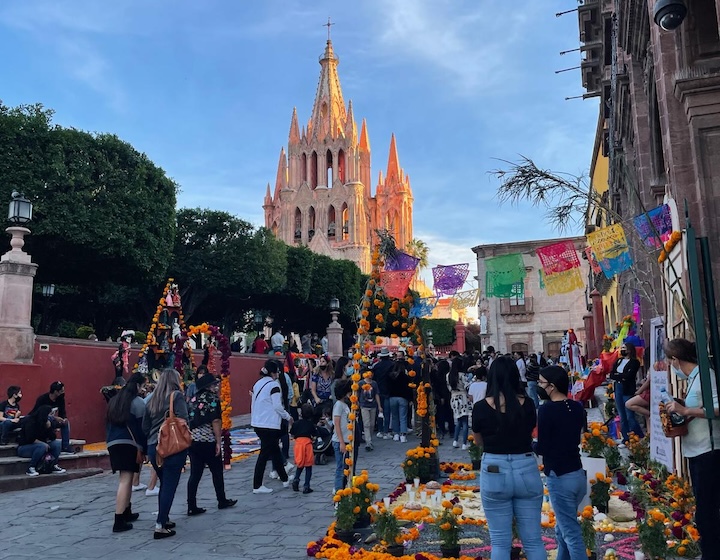
“Living overseas has helped me clarify what I truly value and what I want my life to look like, away from social programming, preconceived notions, and external pressure.”
Singaporean mum of three (with another one on the way), Deborah, lives in Mexico with her American husband Steven. Deborah is a medical doctor and business owner, while her husband works in programming. They live in a quaint town called San Miguel de Allende, with their three children — Mark, 5, Isabel, 3, and Andrea, 1 — with baby number four expected this autumn. We chat to Deborah about life in Mexico, from the highs of the slower pace of life and the amazingly friendly people, to the lows of high rates of crime, from kidnappings to robberies.
Read more Overseas Mama stories here.
When did you move to Mexico, and what were the reasons you decided to move there?
We moved to Mexico in 2022. When we got married, my husband and I spent a lot of time discussing where we wanted to raise our family. We first decided to try Singapore, where I had family and where we had more support. Steven moved there in 2019, despite never having been to Singapore before, but he really didn’t enjoy living there.
That led us to think seriously about where we wanted to go next. We were looking for somewhere with good weather, easy access to organic produce, more space, and the possibility of domestic help. We also considered residency and tax requirements, and Mexico ended up ticking the right boxes for us. Neither of us had ever been there before, but we had both lived overseas in multiple countries and were open to giving it a try. We figured that, in the worst-case scenario, we could always move back.
Favourite aspect about living in Mexico?
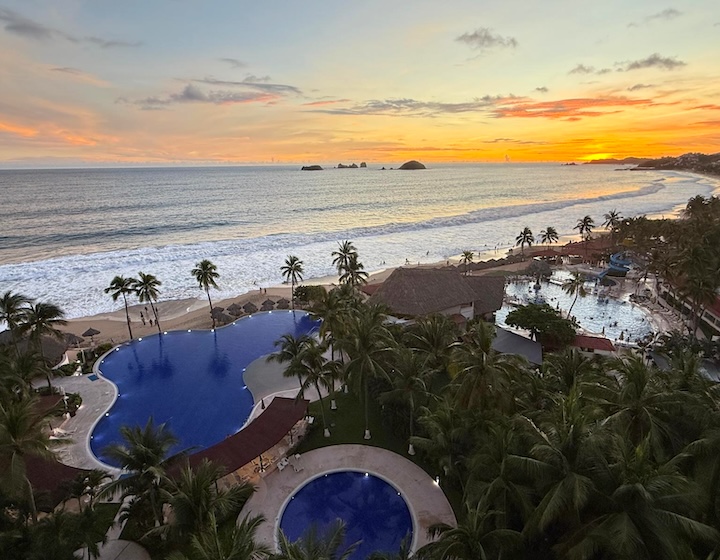
The people, without question. Mexicans are incredibly warm and friendly, and there is such genuine love for children. Everyone is kind to my kids — even teenage boys will acknowledge and engage with them. Children are really seen, welcomed, and accepted for who they are, and I never feel like I have to apologise for their existence.
And the worst part?
The crime. Day-to-day life feels fine, but carjackings, kidnappings, and robberies are real concerns. Kidnappings tend to affect wealthy Mexicans more, while carjackings and robberies are more common along certain highways, routes, and in certain states, so to some extent, these risks can be managed. But coming from Asia, where crime is almost nonexistent, it is definitely something we think about, especially as our children get older and become more independent.
How did you meet your partner?
We met while we were both working in Shanghai, at an Olympic weightlifting gym in the basement of a government sports complex.
Were your kids born in Mexico, and if yes, does anything stand out?
Yes — my second and third children were born in Mexico. I was able to work with a midwife, a doula, and my OBGYN in Spanish, even though I only started learning the language after moving there.
My second child was born in a hospital, and my third was a home birth. One thing that stood out to me in Mexico was that hospitals don’t provide much for the baby — you need to bring your own diapers, blankets, and clothes. It’s very different from Singapore, where I had my first and where the experience felt much more full-service. That was part of the reason I chose a home birth the third time around. My births have all been natural and anaesthesia-free, so without any medical indication or complication, I didn’t really see the point of going to the hospital when home felt more convenient.
How do you think parenting (and schools) in Mexico differ from Singapore? What do you appreciate most about it?
There are definitely tiger parents everywhere. I know Mexican families — especially those from Mexico City — who fill their children’s schedules with enrichment classes and care a lot about branded schools and curriculum.
What I really appreciate, though, is the sheer range of education options available in Mexico, from very traditional to more alternative schools. There seems to be space for every parenting and educational philosophy, and more room to choose based on each individual child’s needs. That’s something I find lacking in Singapore, where the options feel more limited.
That said, if what you want is traditional academic rigour, I still think Singapore does it best.
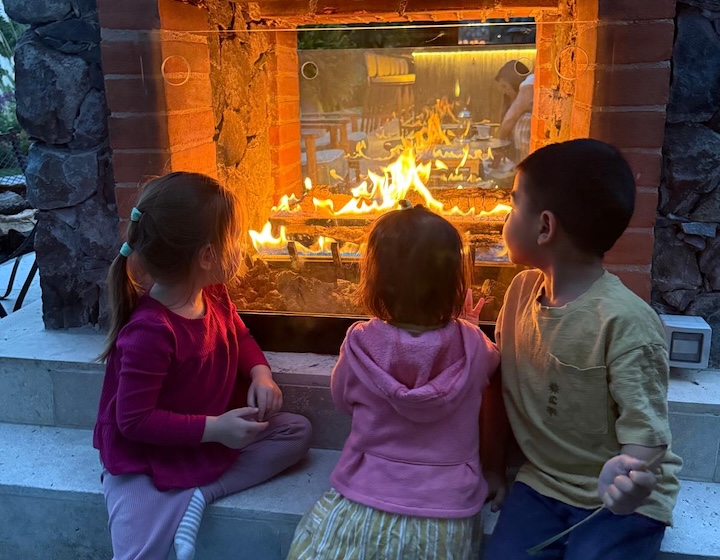
Beyond school, I really love the pace of family life in Mexico. Weekends — especially Sundays — are sacred. There are no endless enrichment classes or packed schedules. Parties are slow and long. The first time I attended birthday parties in Mexico, I was shocked — they really go on all day. In Singapore, parties tend to be tightly scheduled, and everyone is rushing from one place to another. Invitations are often sent months in advance, whereas in Mexico, you might get invited the week before, and everyone still turns up.
Life feels much more fluid and relaxed. There’s a stronger emphasis on community, relationships, and simply spending time together. People chat, linger, and show up for one another. I think that has shaped my children, too — people often comment on how friendly and flexible they are, and I suspect that comes partly from growing up attending 100-person parties every weekend. San Miguel is also small enough that everyone knows each other, which I love, while still offering a high standard of education and activities. It really feels like the best of both worlds.
What do you find is the hardest part of being a parent living in a foreign country?
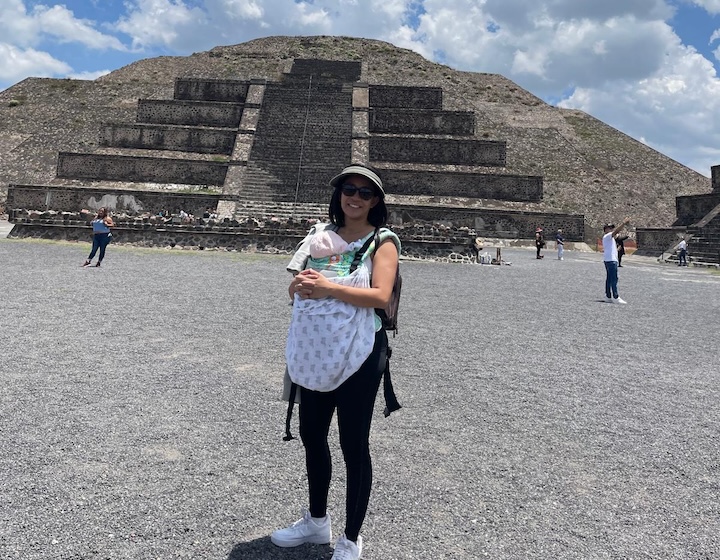
Missing weddings, birthdays, and all the everyday family moments. We are very lucky to have built a community in Mexico and to be included in so many things there, but it still makes me sad that I can’t do the same with my own family back home. I come from a large, close-knit family, so that distance is probably the hardest part.
Tell us about the food — does your family eat Mexican cuisine on a daily basis or Asian?
Mexican food is delicious, but we eat Asian food daily. My kids love rice and insist on having it with every meal. That said, they also love Mexican food, especially tacos and all the different grilled meats. Interestingly, my youngest daughter is allergic to soy, tree nuts, peanuts, and eggs, and in many ways, it’s actually easier to feed her Mexican food than Asian food.
Have you managed to integrate with the local community?
I think so. My Spanish is still very much a work in progress, and I wish it were better. Most people in San Miguel speak English well, but naturally, they prefer Spanish among themselves, so larger group settings can still be a little harder for me. That said, I’ve built many meaningful personal friendships. People are incredibly kind about translating or switching to English for me, although I do sometimes feel bad about it.
Starting a business in Mexico has also helped a lot with integration. I opened an indoor play café for children aged 0 to 6, and that has connected me much more deeply to the local community. I have wonderful local business partners, and we’ve built a very strong mum community around the café. My children also attend a lovely Montessori preschool there, and the director has created such a warm and welcoming environment. I’ve made many close friends through the school as well.
Tell us about your career pre- and post-kids.
I’m a medical doctor by training, and before having children, I worked as a clinician. I also ran a Pilates studio in Singapore, Breathe Pilates (www.breathepilates.com.sg), which eventually expanded to Thailand. Over time, I found myself increasingly drawn to the business and management side of healthcare, and I was transitioning more in that direction.
I was working as a doctor in an international medical clinic in Shanghai before leaving that role in 2019 to move back to Singapore and start a family. Once back in Singapore, I was exploring a mix of clinical and management roles while also growing the Pilates business. Then I got pregnant at the end of 2019, and Covid happened soon after, which threw all my plans off course.
I had always wanted a big family, and after having my first child, I realised how difficult it would be to return to work only to step out repeatedly for maternity leave. So I made the decision to pause my career while raising my children. That said, the entrepreneurial instinct never really went away. During this chapter, I’ve started both a software company and an indoor play café in Mexico. I’m also still involved in the strategy and management of Breathe, although most of the day-to-day operations are now handled by my partners and the very capable team there.
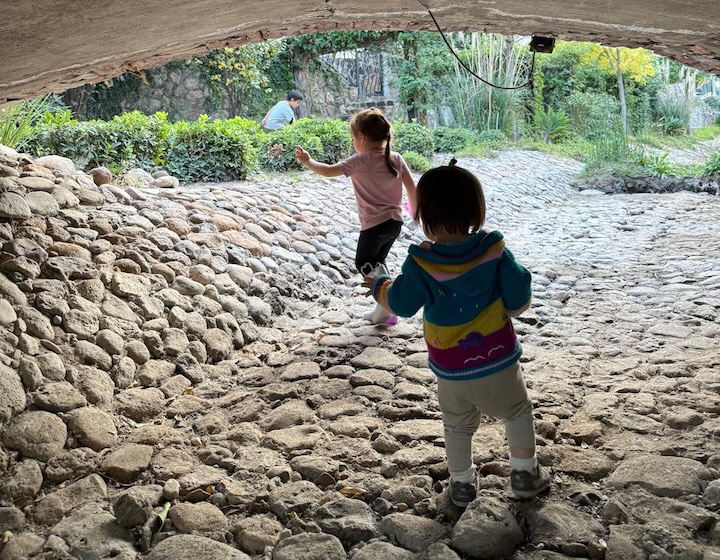
How do you and your partner juggle work and divide up family roles?
As our family has grown, the way we divide responsibilities has had to evolve constantly. At this stage, it’s very much all hands on deck. My husband is also on an indefinite sabbatical, and we’re very grateful to be financially independent, so while we both still work on things we care about, neither of us is working out of necessity.
In practice, the mental load still falls more heavily on me when it comes to organising the children’s schedules and researching activities, but I think that’s partly because I enjoy doing it. Like many type-A career women, I’ve simply redirected the energy I once put into work toward motherhood. I’m very much the delegator, and I assign tasks to my husband accordingly.
With the children, I’ve generally been the main caregiver during the baby stage — until they’re weaned and walking, usually somewhere between 18 months and 2 years old. After that, my husband tends to take over more with that child while I focus on the new baby. That’s basically been our rhythm for the past six years, since we’ve had a new baby roughly every two years.
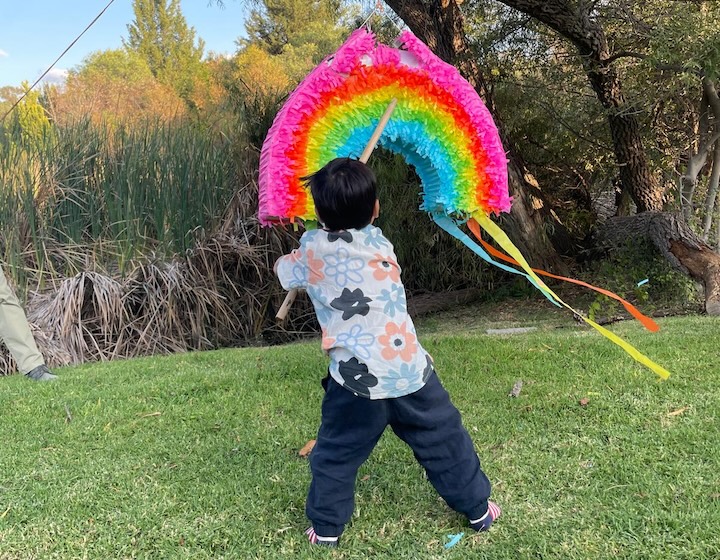
Is there something that you do to keep your children in touch with their Singaporean roots?
We return to Singapore every year for about three months, usually around Chinese New Year. It’s a big trip, especially with so many children and the jet lag that comes with it, so personally I wouldn’t do it for anything less than six weeks.
Having been an expat before, I’ve always found holidays the hardest time to be away from home, so these trips matter as much to me as they do to the children. They absolutely love Singapore. We also spend time in the US, but they always say Singapore is their favourite country and that they wish they never had to leave. I suspect that has a lot to do with the fact that my entire extended family absolutely spoils them while we’re there.
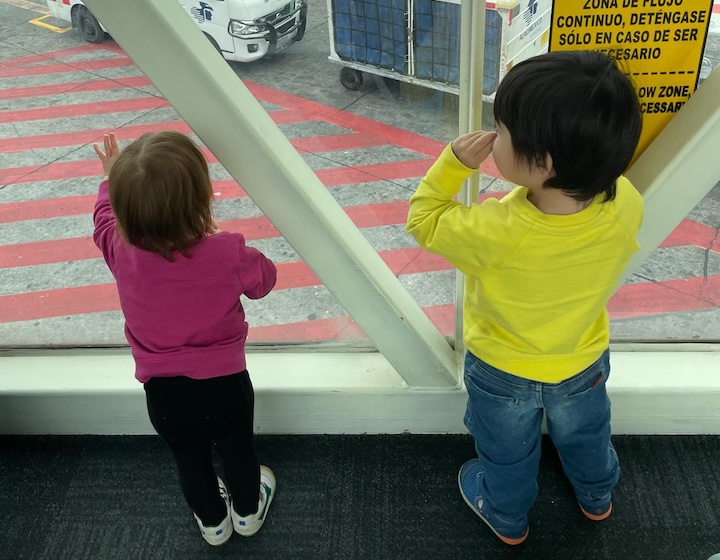
On raising a multilingual child…
Our children attend school in Spanish, and we love that they’re growing up trilingual. Between English, Mandarin, and Spanish, they’ll be able to communicate with a huge part of the world.
I take the lead on their Mandarin learning and try to speak to them in Mandarin as much as possible. They also do online classes, and when we’re back in Singapore, we enrol them in Mandarin immersion classes and activities.
What is the first thing you do each time you come back to Singapore?
Sleep! It’s such a long, multi-day journey getting back. As for the kids, their first request is always kaya toast, soft-boiled eggs, and iced Milo.
What do you always bring back from Singapore for yourself and your children?
Definitely kaya. I also bring back food packs like bak kut teh and chicken rice mixes, as well as lots of Chinese storybooks for the children.
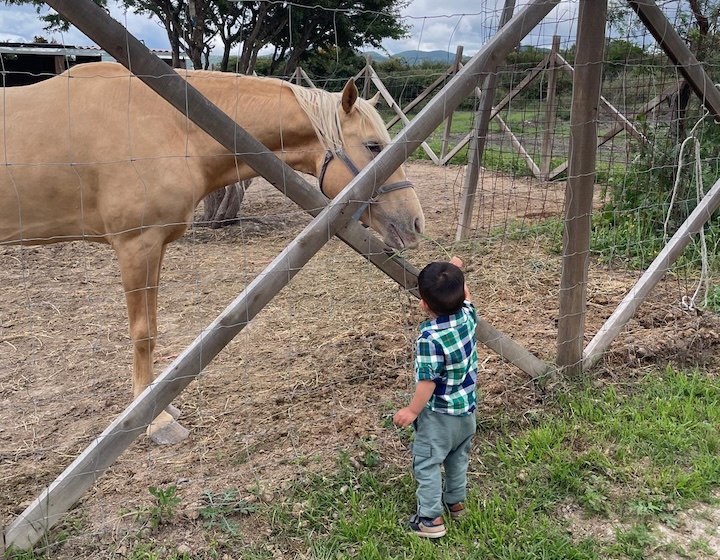
Top five places in Mexico that you would recommend to parents travelling with kids, and why.
Mexico City, Playa del Carmen, Zihuatanejo, Puerto Vallarta, and Los Cabos.
1. Mexico City is an incredibly child-friendly city. Mexico as a whole is very family-friendly, but Mexico City in particular has fantastic museums, parks, playgrounds, and restaurants, and it’s also surprisingly walkable, with many attractions centred around Chapultepec.
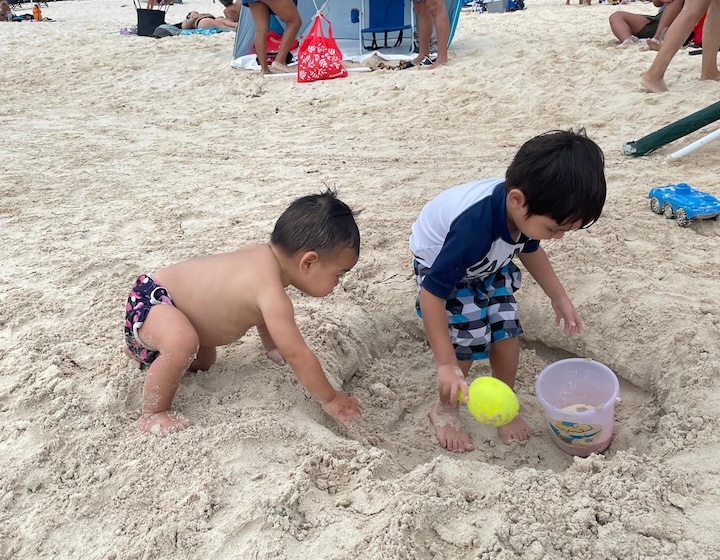
The other four are beach destinations, and Mexico’s beaches are phenomenal. The water is lovely, and pools are often heated, which makes them especially great with young children.
2. Playa del Carmen has cenotes, archaeological sites, and calm, warm Caribbean beaches. It feels less touristy than Cancun and offers more local discoveries.

3. Zihuatanejo, on the Pacific coast, has old-school charm and a sleepy fishing-village feel. It’s less commercialised, has great restaurants, and because it sits in a bay, the water is calmer and more swimmable than in many other parts of the Pacific coast.
4. Puerto Vallarta, also on the Pacific, has more infrastructure and plenty of nature-based activities, which makes it an easy and versatile choice for families.
5. Los Cabos offers a completely different landscape — whale watching, diving, desert, and sea — with strong tourist infrastructure as well.
What’s the one thing you would miss if you moved away?
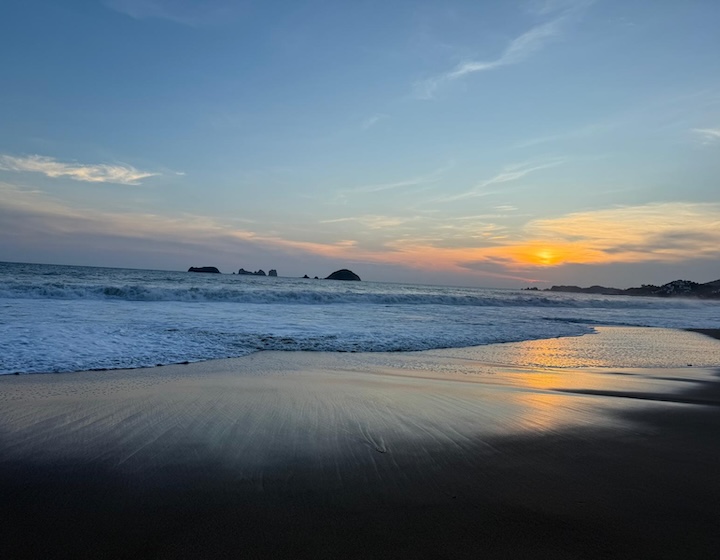
The people. I would miss the warmth of Mexicans and the way they prioritise people and relationships.
What do you dread and look forward to most if you were to move back to Singapore?
I would most look forward to spending more time with my family. What I would dread most is the weather. In Singapore, I spend so much more time indoors and far less time outside.
What has been the most important thing you have learned from living overseas?
Living overseas has helped me clarify what I truly value and what I want my life to look like, away from social programming, preconceived notions, and external pressure. More than anything, it has shown me that the most important things to me are my family and being present for the people I love.
Read more:

![[𝗙𝗥𝗘𝗘] 𝗧𝗵𝗶𝘀 𝗬𝗶𝘀𝗵𝘂𝗻 𝗕𝗧𝗢 𝗛𝗮𝘀 𝗔 𝗥𝗮𝗶𝗻𝗯𝗼𝘄 𝗣𝗹𝗮𝘆 𝗧𝗼𝘄𝗲𝗿 & 𝟮-𝗦𝘁𝗼𝗿𝗲𝘆 𝗖𝗮𝗿𝗼𝘂𝘀𝗲𝗹-𝗧𝗵𝗲𝗺𝗲𝗱 𝗣𝗹𝗮𝘆𝗴𝗿𝗼𝘂𝗻𝗱 🌈🎠
We didn’t expect to find such a colourful playground right in the middle of a new BTO estate! Yishun Beacon has two eye-catching play structures side by side, so kids can easily move between both.
The colourful vertical play tower has quite challenging climbing elements and a little spot up there to lounge and catch a breather before sliding back down. Right beside it, the carousel playground has a few horses for the little ones to ride on and sensory play elements that kids will be engaged in for quite some time.
Link in bio or comment “Rainbow” for more info!
𝗪𝗵𝗲𝗿𝗲: Blk 936A, Yishun Central 1
𝗛𝗼𝘄 𝘁𝗼 𝗴𝗲𝘁 𝘁𝗵𝗲𝗿𝗲: 10-min walk from Yishun MRT, it’s right opposite Yishun Community Hospital
𝗛𝗼𝘄 𝗺𝘂𝗰𝗵: Free!
𝘗.𝘚. 𝘛𝘩𝘪𝘴 𝘷𝘪𝘥𝘦𝘰 𝘸𝘢𝘴 𝘧𝘪𝘭𝘮𝘦𝘥 𝘸𝘩𝘦𝘯 𝘵𝘩𝘦 𝘗𝘚𝘐 𝘸𝘢𝘴 𝘸𝘪𝘵𝘩𝘪𝘯 𝘵𝘩𝘦 𝘯𝘰𝘳𝘮𝘢𝘭 𝘳𝘢𝘯𝘨𝘦.](https://www.sassymamasg.com/wp-content/plugins/instagram-feed/img/placeholder.png)