View All


 View All

 View All
 View All
 View All


 View All


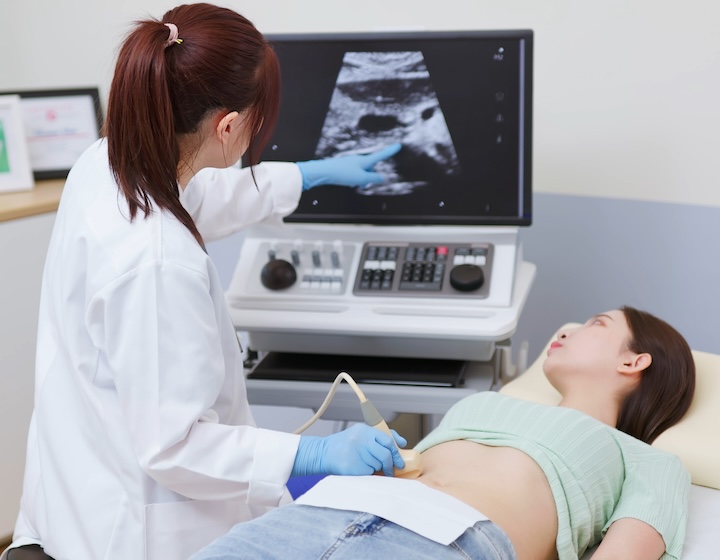
Between prepping for your baby’s arrival and making sure both you and your little one stay healthy, it’s easy to get lost in a sea of advice. Here, we debunk five common pregnancy health myths and the facts behind them.
Pregnancy often comes with plenty of excitement. While you’re counting down the days, stocking up on essentials, and getting the nursery ready, it’s also easy to find yourself surrounded by a flood of advice. Although well-intentioned, some of these beliefs are based on outdated information or common misconceptions. Don’t worry, parents, we’ve got you. To help you make informed decisions, we’ve rounded up five common pregnancy health myths and the facts behind them.
1. A healthy pregnancy means I don’t need to worry about infections.

During pregnancy, the body undergoes natural changes in the immune system to support the growing baby. This can make you more susceptible to certain infections than when you are not pregnant1. This isn’t a sign of poor health, but it’s recommended to take extra care to stay healthy, including eating a balanced diet, participating in regular, non-strenuous exercise, avoiding alcohol and more2. Some infections during pregnancy can also affect the fetus2, further highlighting that regular antenatal care is important.
2. If I rarely get sick, my baby will automatically be protected.
While it is incredibly important to maintain good health throughout your pregnancy, it does not automatically determine whether your newborn will be protected against infections after birth. During pregnancy, the mother’s body can pass certain antibodies to the baby through the placenta. These maternal antibodies provide a temporary immune protection in the first few months of life. However, these antibodies decrease slowly within the first 6 months of the baby’s life3. Therefore, taking preventive steps after birth, such as maintaining good hygiene and following recommended childhood immunisation schedules, helps support your baby’s overall health and reduces the risk of infections4.
3. The first few months are the safest because the baby isn’t mixing with many people.
While it is recommended to limit exposure to large crowds and external environments, the early months remain a period of vulnerability to infections due to your baby’s developing immune system. Respiratory infections are among the more common illnesses in this age group, and infants can also be exposed through close contact with family members or caregivers5.
4. My baby is adequately protected by my Flu and Tdap Shots
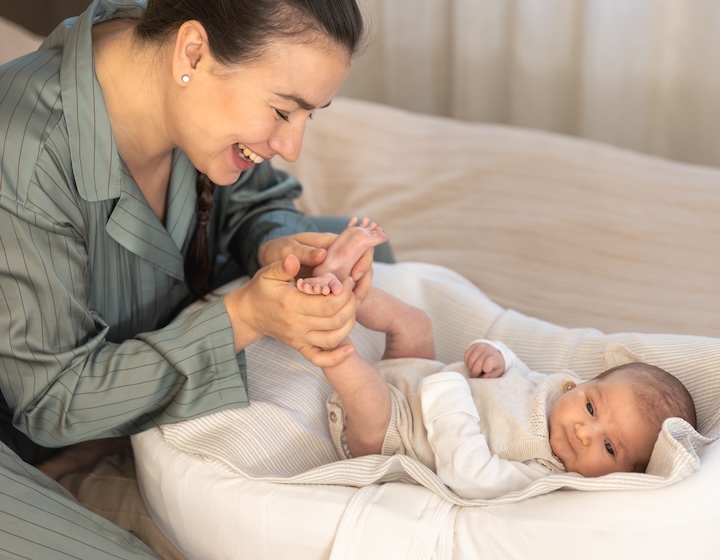
Influenza and Tdap (whooping cough) vaccinations help protect against specific diseases, but they do not provide protection against other respiratory infections, which may cause pneumonia and bronchiolitis in babies6.
Most children are infected with RSV by the age of 2, and infants are at higher risk of severe illness in the first months of life7. In some cases, RSV infection can lead to serious breathing difficulties that require medical care6.
Read more: Understanding RSV & How To Keep Your Baby Protected
5. Pregnancy is only about preparing for birth/labour
Parents should also prepare for life after birth, which comes with new routines, sleep patterns and of course, recognising and responding to your baby’s needs. As newborns are still developing their immune systems, they are more vulnerable to common infections, including respiratory illnesses such as pertussis, influenza and RSV, hence the importance of discussing with your OBGYN on how best to reduce this risk3,6.
Understanding the facts behind common pregnancy myths can help expectant parents make informed decisions even after birth. It is also important to understand the different respiratory infections that can affect newborns.
Pregnant and have questions about RSV? Speak with your OBGYN to discuss available approaches to support your newborn’s health.
Read more: Protecting Yourself & Newborn Starts Before Birth–Here’s How
Readers are advised to consult with qualified medical professionals for medical advice and information regarding vaccines and their potential benefits or risks. The information provided in this article should not be considered medical advice or a substitute for professional medical consultation.
References
1. Infections in Pregnancy. Available at
https://www.healthline.com/health/pregnancy/infections. Accessed 4 June 2026.
2. Prenatal Infections and How to Avoid Them. Available at
https://www.mountelizabeth.com.sg/health-plus/article/prenatal-infections. Accessed 4 June 2026.
3. HealthHub Singapore. What A Weaning Baby Needs For Strong Immunity. Available at
https://www.healthhub.sg/well-being-and-lifestyle/pregnancy-and-infant-health/what-a-weaning-baby-needs-for-strong-immunity. Accessed 4 June 2026.
4. HealthXchange Singhealth. Tips to Prevent Infections and Importance of Child Vaccination. Available at https://www.healthxchange.sg/child-life-stages/child-vaccination/infection-prevention-tips-child-vaccination-importance. Accessed 4 June 2026.
5. CDC. Respiratory Syncytial Virus Infection. How RSV Spreads. Available at
https://www.cdc.gov/rsv/causes/index.html. Accessed 4 June 2026.
6. Vaccinations recommended before, during and/or after pregnancy. Available at
https://www.singhealth.com.sg/symptoms-treatments/vaccinations-recommended-before-during-and-or-after-pregnancy. Accessed 4 June 2026.
7. What You Need to Know about RSV in Babies. Available at https://www.parkwayeast.com.sg/health-plus/article/rsv-in-babies. Accessed 4 June 2026.
![[𝗙𝗥𝗘𝗘] 𝗧𝗵𝗶𝘀 𝗙𝗥𝗘𝗘 𝗕𝗲𝗮𝗰𝗵 𝗔𝗰𝘁𝗶𝘃𝗶𝘁𝘆 𝗜𝘀 𝗙𝗼𝗿 𝗞𝗶𝗱𝘀 𝗪𝗶𝘁𝗵 𝗘𝗻𝗲𝗿𝗴𝘆 𝗧𝗼 𝗦𝗽𝗮𝗿𝗲: 𝗣𝘂𝘀𝗵 𝗔 𝗚𝗶𝗮𝗻𝘁 𝗠𝗮𝗴𝗻𝘂𝗺 & 𝗧𝗿𝘆 𝟴 𝗜𝗰𝗲 𝗖𝗿𝗲𝗮𝗺-𝗧𝗵𝗲𝗺𝗲𝗱 𝗛𝗜𝗜𝗧 𝗖𝗵𝗮𝗹𝗹𝗲𝗻𝗴𝗲𝘀! 😋🍨
If getting the kids to nap is a daily battle, we might have found your next game plan. There’s a FREE ice cream-themed workout at Palawan Beach! HIIT THE BEACH features eight fitness stations inspired by much-loved ice cream brands. From Cornetto monkey bars and Paddle Pop battle ropes to Ben & Jerry’s pint jumps, there’s plenty to try with family and friends, all at your own pace!
After completing the circuit, families can wind down at the beach, check out larger-than-life ice cream installations and snap a few photos at the Cooldown Isle.
𝗧𝗵𝗶𝗻𝗴𝘀 𝘁𝗼 𝗻𝗼𝘁𝗲:
- It can get pretty warm, so bring a portable fan and a change of clothes.
- Shoes are required for the Ben & Jerry’s jumping challenge.
- Children aged 12 and below have to be supervised by an adult at all times.
Link in bio or comment “Magnum” for more info!
𝗪𝗵𝗲𝗿𝗲: Palawan Beach, Sentosa
𝗪𝗵𝗲𝗻: 24 Oct 2026 – 31 Jan 2027
𝗛𝗼𝘄 𝗺𝘂𝗰𝗵: FREE entry!
𝗛𝗼𝘄 𝘁𝗼 𝗴𝗲𝘁 𝘁𝗵𝗲𝗿𝗲: Take the Sentosa Express and alight at Beach Station. Hop on the free Beach Shuttle and alight at the 2nd stop, or walk to Palawan Beach.
𝘗.𝘚. 𝘋𝘰 𝘤𝘩𝘦𝘤𝘬 𝘵𝘩𝘦 𝘭𝘢𝘵𝘦𝘴𝘵 𝘗𝘚𝘐 𝘳𝘦𝘢𝘥𝘪𝘯𝘨𝘴 𝘣𝘦𝘧𝘰𝘳𝘦 𝘩𝘦𝘢𝘥𝘪𝘯𝘨 𝘰𝘶𝘵!](https://www.sassymamasg.com/wp-content/plugins/instagram-feed/img/placeholder.png)