View All


 View All

 View All

 View All
 View All

 View All

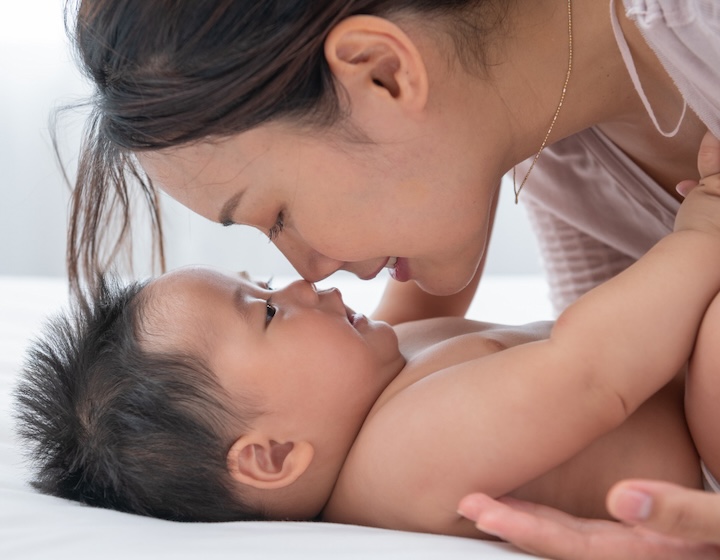
RSV is one of the leading causes of hospitalisation in infants worldwide1,7, and the tricky part is that parents often mistake it for the common cold. Here’s what you need to know and how you can keep your little one safe.
If you’ve been hearing more chatter about RSV lately, you’re not alone. This common virus has been quietly making its rounds, especially among babies under six months and older adults aged 65 and above8, and it’s often mistaken for a regular cold or flu because of its overlapping symptoms9. RSV, or Respiratory Syncytial Virus (RSV), is actually one of the leading causes of lower respiratory infections in infants and young children worldwide1,7. Most cases are mild, although serious cases can lead to hospital admissions9. Before you panic, there are ways to protect your little one. There are also measures that you can take to protect your baby even before you give birth!
It’s just like the flu, but more
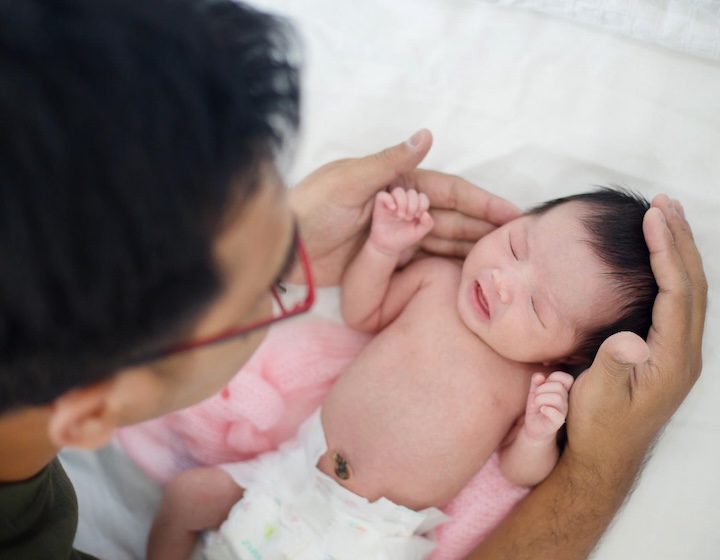
Did you know that RSV accounts for millions of infections and hospital admissions in young children every year globally7 ? This means that it’s one of the major causes of infant hospitalisation1,7! At first glance, RSV can look like any other cold. It often starts with a runny nose, a mild cough or a slight fever. However, parents should also look for symptoms specific to RSV, such as wheezing. In severe cases, infants may experience short, shallow, rapid breathing and even have their skin turn blue due to a lack of oxygen5. Additionally, RSV tends to travel deeper into the lungs, which is why it can sometimes cause infections such as bronchiolitis or pneumonia1, especially in babies.
While all babies are at risk of RSV, some are more vulnerable than others. Premature babies and children with underlying conditions, such as heart or lung issues, are at greater risk10.
Symptoms of RSV don’t stop there. Studies have found that babies who experience RSV early in life—especially more severe infections—may have a higher risk of developing ongoing respiratory issues3 like recurrent wheezing or asthma.
What to do if your baby has RSV?

There are currently no treatments specifically for RSV1. If your little one comes down with RSV, assess the situation first before heading straight to the hospital. If your baby is still feeding well, breathing comfortably and staying alert, they can usually recover with rest. Focus on keeping your baby well hydrated and making sure they get plenty of rest5.
That said, RSV can sometimes lead to more serious symptoms that require medical attention1. If your baby starts breathing faster than usual, seems to be struggling to breathe, feeds poorly or becomes unusually sleepy and difficult to wake, it’s best to see a doctor as soon as possible. These signs could indicate that the infection is affecting the lungs. At the hospital, they’ll be assisted with ventilation and intubation. A study2 found that children with haemodynamically significant cardiac disease, immunodeficiency and metabolic disease were at higher risk of death after hospitalisation for RSV-related illnesses.
What to know about reducing the risk of RSV in your newborn

Maternal RSV vaccination6 has been developed in recent years, giving pregnant women a way to help protect their newborns even before birth. This vaccine boosts the mother’s immune system to produce antibodies, which are then passed to the baby through the placenta. Besides maternal vaccination, a long-acting monoclonal antibody, which is directly administered to the infant4, is also available in some settings to help reduce the risk of severe RSV illness. Parents-to-be should discuss these options with their doctor.
While these options don’t completely prevent RSV, they can greatly reduce the risk of severe illness. With the right precautions and measures, babies can stay protected and recover well. These measures can be incorporated into everyday habits too, such as washing hands before handling babies, avoiding contact with anyone showing cold symptoms, cleaning frequently touched surfaces, limiting time in crowded indoor settings, and refraining from kissing babies when you’re unwell4,11,12,13.
Readers are advised to consult with qualified medical professionals for medical advice and information regarding vaccines and their potential benefits or risks. The information provided in this article should not be considered medical advice or a substitute for professional medical consultation.
References
1. RSV and Flu in Children: What Parents in Singapore Need to Know. Available at https://www.oaklifefamilyclinic.com.sg/post/rsv-and-flu-in-children/. Accessed 13 Apr 2026.
2. Lee MW, et al. Singapore Med J. 2021;62(12):642-646.
3. Zar HJ, et al. Lancet Respir Med. 2024;12(10):810-821.
4. RSV in Infants & Young Children in Singapore: Risk, Symptoms & Prevention. Available at https://www.sbcc.sg/common-condition/rsv-vaccine-for-infants-in-singapore/. Accessed 13 Apr 2026.
5. CDA. Respiratory syncytial virus. Available at https://www.cda.gov.sg/professionals/diseases/respiratory-syncytial-virus/. Accessed 13 Apr 2026.
6. Vaccinations recommended before, during and/or after pregnancy. Available at www.singhealth.com.sg. Accessed 13 Apr 2026.
7. Saha S, et al. The Lancet Global Health. 2025;13(6):e1072-e1081.
8. Ang LW, et al. Influenza Other Respi Viruses. 2020;14:412-419.
9. CDC. Respiratory Syncytial Virus (RSV). About RSV. Available at https://www.cdc.gov/rsv/about/index.html/. Accessed 28 Apr 2026.
10. Resch B. World J Clin Pediatr. 2012;1(3):8-12.
11. John Hopkins Medicine. Health. New Parents and Newborns: Are Visitors OK? Available at https://www.hopkinsmedicine.org/health/wellness-and-prevention/new-parents-and-newborns-are-visitors-ok. Accessed on 9 Jan 2026.
12. Colosia AD, et al. BMC Infect Dis. 2012;12:95
13. Mayo Clinic. Respiratory syncytial virus (RSV). Available at https://www.mayoclinic.org/diseases-conditions/respiratory-syncytial-virus/symptoms-causes/syc-20353098/ Accessed on 28 Apr 2026.
![[𝗛𝗢𝗧 𝗡𝗘𝗪𝗦] 𝗔𝗰𝘁𝗶𝘃𝗲𝗦𝗚 𝗙𝗮𝗰𝗶𝗹𝗶𝘁𝗶𝗲𝘀 𝗜𝗻 𝗧𝗵𝗲 𝗘𝗮𝘀𝘁, 𝗖𝗲𝗻𝘁𝗿𝗮𝗹 & 𝗪𝗲𝘀𝘁 𝗥𝗲𝗴𝗶𝗼𝗻𝘀 𝗧𝗲𝗺𝗽𝗼𝗿𝗮𝗿𝗶𝗹𝘆 𝗖𝗹𝗼𝘀𝗲𝗱 𝗗𝘂𝗲 𝗧𝗼 𝗗𝘂𝗲 𝗧𝗼 𝗘𝗹𝗲𝘃𝗮𝘁𝗲𝗱 𝗣𝗠𝟮.𝟱 𝗥𝗲𝗮𝗱𝗶𝗻𝗴𝘀 🌫️
Planning to bring the kids for a swim or outdoor sports session? You may need to change your plans as Sport Singapore (SportSG) has temporarily closed outdoor and non-air-conditioned facilities at affected ActiveSG Sport Centres across Singapore due to elevated PM2.5 readings.
The closures took effect on 14 October 2026 and will remain in place until further notice.
Affected facilities include swimming complexes, stadiums, squash centres and other sports facilities across the East, Central and West regions.
Comment "Haze" or link in bio for the latest news on haze in Singapore and check your eligibility for free N95 mask redemption ](https://www.sassymamasg.com/wp-content/plugins/instagram-feed/img/placeholder.png)