View All

 View All

 View All


 View All

 View All


 View All


 View All
 View All

 View All




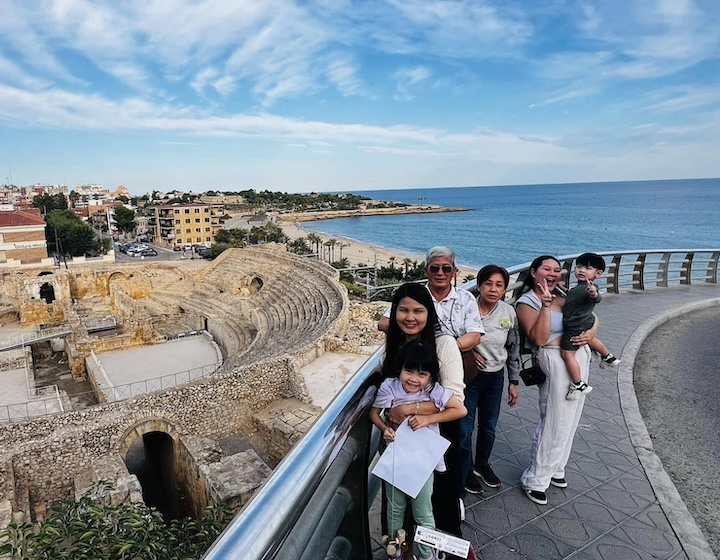
“Another difficulty is passing on our Asian values, as they sometimes conflict with local cultural norms. Simple things like respect for elders, discipline, or approaches to education…”
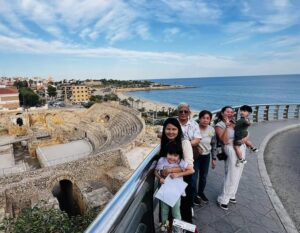
Singaporean Justine Low has been living in Tarragona, Spain since 1998 with her Spanish husband, Simon Lopez. Justine works in the logistics industry while her husband works on overseas projects and their daughter, Ines, who is 18 years old is studying Culinary and Gastronomy in Spain. Justine shares how her daughter has been doing annual solo trips back to Singapore since she was little to connect with family, how she appreciates the way Spanish culture values unstructured free time for kids which allows for more family time, and the difficulties in parenting abroad such as passing on Asian values, that might conflict with local cultural norms.
Read more stories of Singaporean parents living overseas.
When did you move to Spain, and what were the reasons you decided to move there?
I moved to Spain in 1998. At the time, it made more sense for me to relocate to Spain rather than for my partner to move to Singapore, especially from a long-term and practical perspective. What began as a logistical decision gradually turned into something much deeper. It marked the start of a new chapter in my life, where I built a home, a family, and a sense of belonging far away from where I grew up.
Favourite aspect about living in Tarragona?
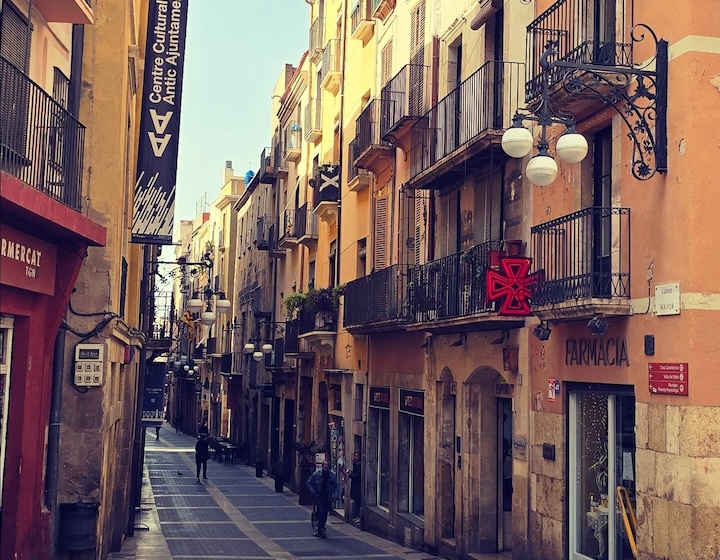
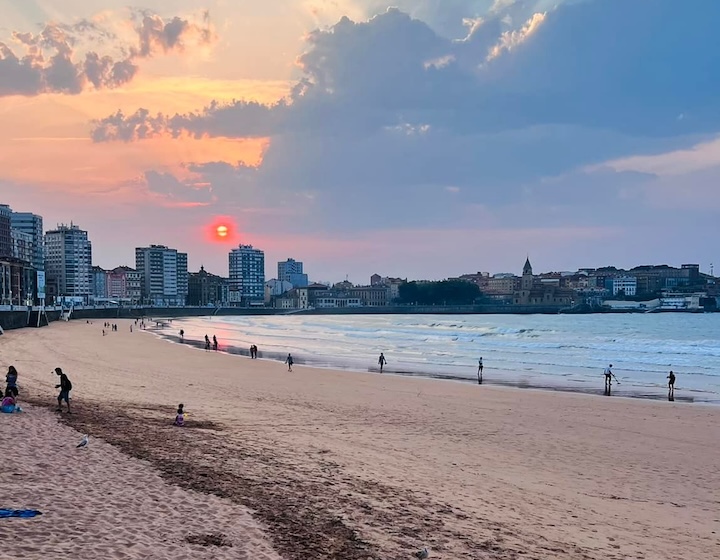
Tarragona is a historic Mediterranean city in Spain’s Costa Dorada, where Roman heritage meets seaside living. What I love most is the quality of life: the sea, the history, and a slower, more grounded pace that allows us to enjoy everyday moments as a family without constantly feeling rushed. It’s also a very walkable city, with everything we need close by, but without the congestion of a big city.
And the worst part?
Being far away from my family in Singapore. We are a very close-knit family, and distance becomes especially hard during important life moments. Over the years, I’ve had to rush back for funerals, which has been the most difficult part of living so far from home — something you never truly get used to.
How did you meet your partner?
We first met online in the early 1990s through an international youth exchange website, which aimed to connect students from around the world — a novelty at a time when not everyone even had internet at home. Those who did will remember how the phone line would be engaged every time you logged on!
Our connection started as pure friendship, sharing cultures and exchanging ideas with other students. I’ve always loved Singapore, and back then, I never imagined living abroad. After about five years of a long-distance relationship, we decided to settle down together.
How do you think parenting (and schools) in Spain differs from Singapore?
Parenting and schooling in Spain feel less focused on constant academic pressure and more on a child’s social and emotional development. Schools encourage creativity, teamwork, and curiosity, rather than just exam results. What I appreciate most is that children are allowed to grow into themselves, discovering their own interests and strengths, rather than being defined solely by grades.
As a parent, I’ve noticed that children in Spain often have more free time for outdoor activities, hobbies, and family interactions. Meals and weekends are treated as important family time, which allows for closer bonds and a more balanced rhythm of life. It’s a different pace from Singapore, where everything can feel more structured and achievement-driven, and I truly value the way this environment nurtures independence, confidence, and emotional well-being.
What do you find is the hardest part of being a parent living in a foreign country?
Raising a child without extended family nearby is definitely a challenge. You quickly learn to be independent and adaptable, but there are moments when you really miss having that support network. Another difficulty is passing on our Asian values, as they sometimes conflict with local cultural norms. Simple things like respect for elders, discipline, or approaches to education can differ, and it requires patience and thoughtful communication to maintain our traditions while allowing our child to thrive in a different environment.
How do you and your partner juggle work and dividing up family roles?
Flexibility and communication are essential, especially since my husband works on overseas projects (currently, he’s in Belgium). We constantly adapt depending on where he is and what the family needs at the time. He travels home frequently, and when he can’t, we make the effort to fly to him so we can maintain family closeness. This approach requires planning and compromise, but it allows us to balance work responsibilities while staying connected as a family.
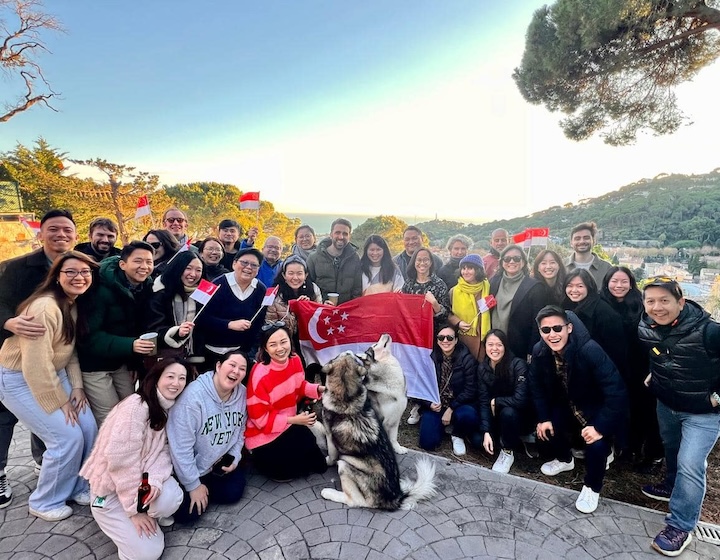
Have you managed to integrate with the local community?
Yes, but it took time. Integration came through language, school life, daily interactions, and being open to local customs. It’s a gradual process rather than something that happens overnight.
Is there something that you do to keep your children in touch with their Singaporean roots?
Since she was four years old, our daughter has spent about two months every summer in Singapore without us, attending school and spending time with family. We want her to bond with relatives, immerse herself in local culture, and maintain her language skills in both English and Chinese. Even during the COVID year, when she was 13, she returned on her own and spent two weeks in quarantine — a real testament to her independence.
Last summer, she had her first job in Singapore and really enjoyed the experience. She’s already looking forward to this summer, hoping to return to the same job. Over the years, these trips have helped her feel equally at home in Singapore and Spain, while staying connected to her roots.
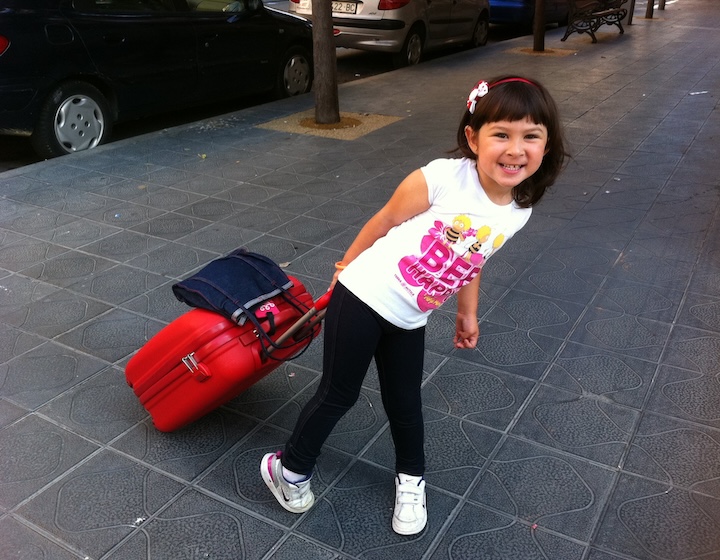
On raising a multilingual child…
It’s challenging but incredibly rewarding. Language shapes identity, and raising a multilingual child gives her confidence, flexibility, and cultural sensitivity that will stay with her for life. Our daughter speaks Spanish, Catalan, English, and Chinese, and she switches between them naturally depending on the context. We make a conscious effort to support all her languages through daily conversation, school, and our trips to Singapore, so she can feel equally at home in both cultures.
What is the first thing you do each time you come back to Singapore?
I head straight to my favourite neighbourhood coffee shop to enjoy the local food I’ve loved since I was little. There’s something comforting about those familiar flavours that instantly makes me feel at home.
What do you always bring back from Singapore for yourself and for your child?
For myself: food items, herbs, and things that are hard to find in Europe.
For my daughter: snacks, small comforts, and reminders of her Singaporean roots.

Top five places in Tarragona (or Spain) for families
1. Coves Meravelles (Benifallet)
A fascinating cave system with impressive stalactites and stalagmites. The guided tours turn geology into an adventure, and children love the sense of discovery underground.
2. Roman ruins in Tarragona
From the Amphitheatre to the Roman Circus, the city’s ancient heritage is remarkably accessible for families. It allows children to walk through history and experience Roman life beyond textbooks.
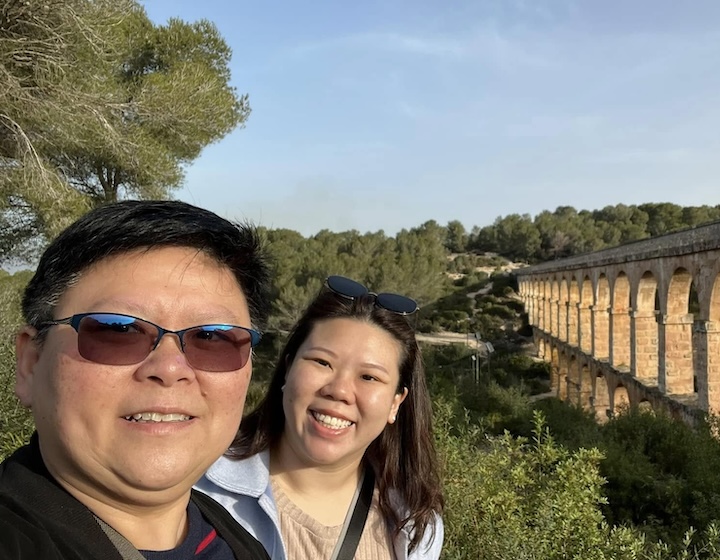
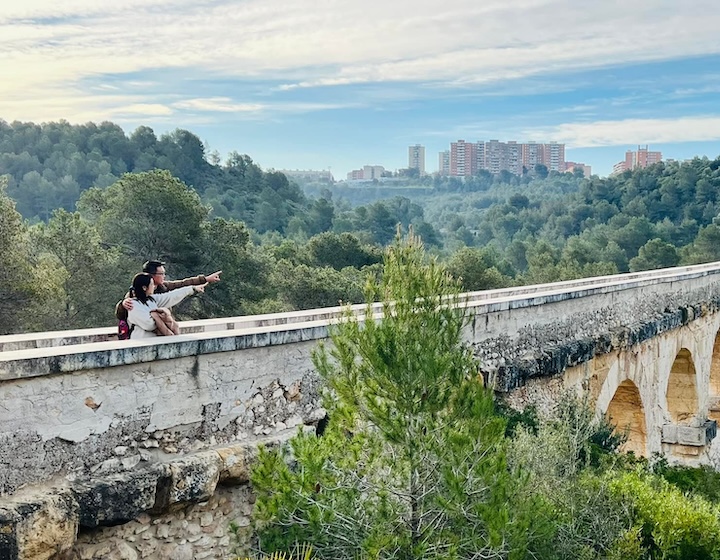
3. Pont del Diable (Les Ferreres Aqueduct)
This 1st-century Roman aqueduct is set within a natural park and is perfect for an easy family walk. It combines history, nature, and local legend in a very relaxed setting.
4. PortAventura World
Just a short drive from Tarragona, this major theme-park resort includes PortAventura Park, Ferrari Land, and Caribe Aquatic Park. There are attractions for all ages, making it a favourite for family outings and special occasions.
5. Ciudad Encantada (Cuenca)
A unique natural landscape of limestone rock formations shaped over millions of years. Walking through it feels like a giant outdoor puzzle, and children enjoy spotting shapes that resemble animals and objects.
What’s the one thing you would miss about Tarragona if you moved away?
The calm and balance — the feeling that life doesn’t have to be rushed to be fulfilling.
What do you dread and look forward to most if you were to move back to Singapore?
I’d look forward to being closer to family, though I’d dread the fast pace and constant pressure that city life can bring.
What has been the most important thing you have learnt from living overseas?
There isn’t one “correct” way to live or raise a family. Living overseas teaches resilience, adaptability, and the courage to define your own version of success.